Own Lifting Eye Cream Review

Own Lifting Eye Cream Review

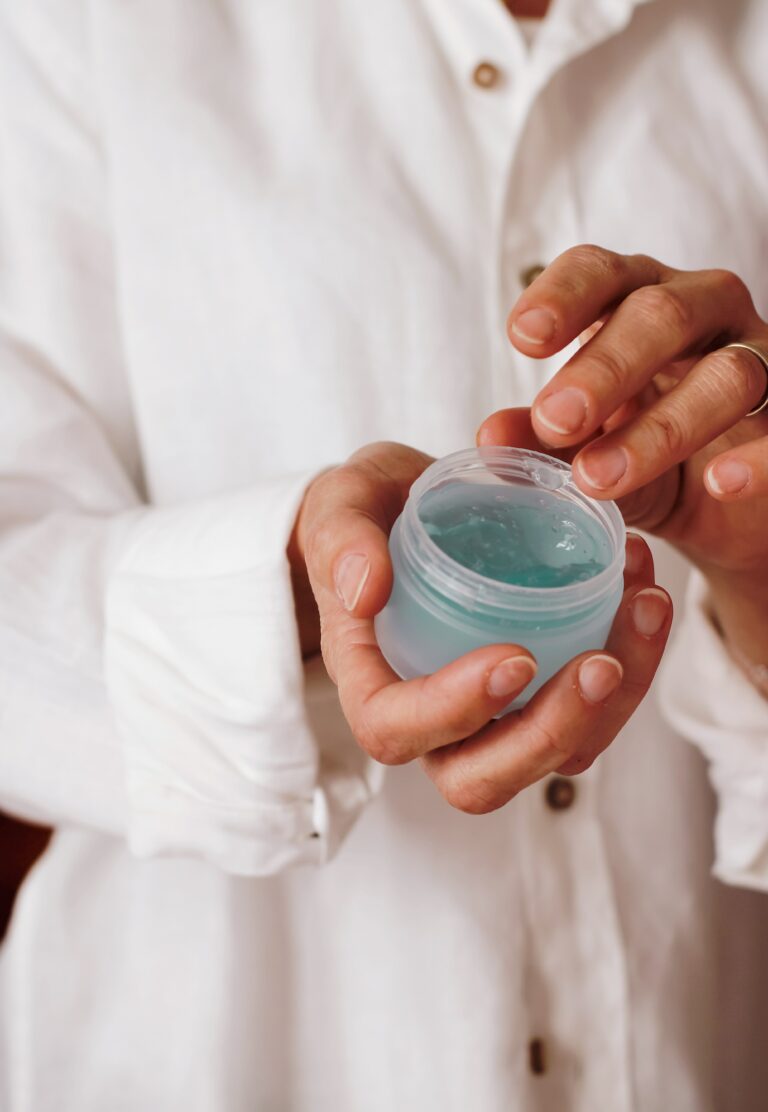
Finding a good eye cream can be a tough battle. There are so many out there that fall short of their claims, don’t have the right forumla or have too many fragrances. It gets even harder when you’re looking for an eye cream that not only works but also is cruelty free and vegan. Thanks to iFabbo and Own Skin Care, I had a chance to try Own Lifting Eye Cream and review it for Logical Harmony readers. Own is certified cruelty free by Leaping Bunny and is certified vegan by Vegan Action - two certifications that you can always trust.

Having been looking for a good eye cream for a while, I couldn’t wait to try this product!

Claims: Formulated to lift and smooth wrinkles while brightening skin. Reduce the appearance of crow’s feet by 61% and decrease in the total number of wrinkles around the eye area by 30%.

Ingredients: Water, Caprylic/ Capric Triglyceride, Carthamus Tinctorius (Safflower) Oleosomes, Glycerin, Glyceryl Stearate, Stearic Acid, Conjugated Linoleic Acid*, Dimethicone, Cetearyl Olivate, Butyrospermum Parkii (Shea) Butter, Coco-Caprylate, Cetearyl Glucoside, Tocopherol, Coco-Glucoside, Glyceryl Oleate, Cetearyl Alcohol, Sorbitan Olivate, Glycine Soja (Soybean) Germ Extract, Magnesium Ascorbyl Phosphate, Potassium Sorbate, Xanthan Gum, Potassium Hydroxide, Phenoxyethanol, Ethylhexylglycerin.

*CLA Patented Plant Technology™, not from an animal source. This product is certified vegan.

Pros: Retinol-free, fragrance-free, paraben-free and sulfate-free formula. A little bit of product really went a long way. Great for combination skin as it’s not too heavy.

Cons: The formula may be a little thin for very dry skin.

The verdict: This is the first time that I’ve ever been able to say that I saw overnight results. I was shocked! The area under my eyes was visibly brighter and firmer after just one use. Over time, this only improved. I actually found myself using less and less concealer under my eyes. My skin felt more supple and smooth as well. Since I don’t yet have fine lines or crows feet, I am not able to speak to these claims. However, if it were to address those skin issues as well as it did the others, I would give Own Lifting Eye Cream a try. I am now a true believer in this eye cream and will purchase it in the future.

Editor’s Note: The product(s) featured in this post were provided by a representative of the company named in this post for editorial consideration. Please note that all reviews are 100% honest and a product would not receive a favorable review unless it provided favorable results.

Enter the Vegan Beauty Giveaway from Logical Harmony & Hip Apotheca!

Enter the Vegan Beauty Giveaway from Logical Harmony & Hip Apotheca!

In case you missed it, don’t forget to enter the vegan beauty giveaway here on Logical Harmony! We teamed up with Hip Apotheca to provide one reader with several amazing cruelty free and vegan beauty goodies. The winner of the contest will receive items from Scotch Naturals, Lippy Girl, Alima Pure and Crazy Rumors.

The giveaway is almost over! So what are you waiting for? Go enter the giveaway from Logical Harmony and Hip Apotheca!

Is Wool a Cruelty Free Product?

Is Wool a Cruelty Free Product?

One of the industries that people have a lot of questions about is the wool industry. For many, it brings to mind images of sheep bouncing around in grassy fields and having their wool sheared before continuing with their carefree lives. Unfortunately, as with many animal related industries, this simply isn’t the case. Many with a vegan lifestyle, myself included, do not purchase or wear wool due to the practices in the industry.

On their own, sheep grown enough wool to keep themselves warm. Wool was once obtained naturally when the sheep would shed extra wool in the springtime months, similar to how cats and dogs shed their winter coat. It was a natural process that the animals went through once a year.  To support the wool industry, they have been bred to over produce wool. This causes the sheep to grow more wool than they would naturally. This overgrown wool is forcefully sheared off of them several times per year.

This unnatural extra wool growth causes animals to die from heat exhaustion during warmer months (when they would naturally not have a thick coat) and also leads to infections and diseases because the sheep are unable to properly clean themselves. In many cases, these infections attract flies. The flys will lay eggs in the sheep skin, which will hatch into maggots. To prevent this, many lambs go through a process call “museling” where thick strips of skin are removed from their back legs and around their tails in order for layers of scar tissue to form. The strips of skin can be up to the size of dinner plates. This process is done without any sedation or pain killers provided. These wounds are not treated and many lambs often die because of infection due to this process.

When it comes time to shear the sheep, they are often forcefully sheared. In many markets, the people who shear the sheep are paid by volume. This means that the more wool they shear, the more they get paid.  Rushing through the process leads to all sorts of injuries to the animals. From small nicks and cuts, to broken limbs, and even to death. These cuts and injuries go untreated and can become infected, causing the sheep to suffer through the season.

As sheep get older, they often stop producing enough quality wool to be an asset. At this point, they are either slaughtered by the farmer or sold to a slaughterhouse. Sheep meat is eaten in many countries worldwide and the demand is supported largely by the wool industry. Many sheep die during shipment to slaughter. For the ones that do make it to slaughter, they are often tortured before being killed, and killed in terrible ways while still conscious.

Many argue that there is such a thing as cruelty free wool, but I urge you to not buy the hype. This is an unregulated term and there are no requirements necessary in order to claim that a brands wool is cruelty free. Often “cruelty free wool” just means that the animals may not be subjected to museling as lambs or have access to the outdoors. It also may not mean anything. Everything else about the process stays the same, including the eventual shipping off to slaughterhouses.

Lanolin, which is oil from sheep wool and found in many beauty products, is a by-product of the wool industry.

The reality of the wool and lanolin industries is terrible. Having a creamy lotion or a fluffy sweater just is not worth supporting the wool industry. Especially with so many cruelty free alternatives out there. You can find high quality beauty items made without lanolin and that use animal-based substances instead. It’s also just as possible to find warm, high quality sweaters and socks made from plant-based materials as well.